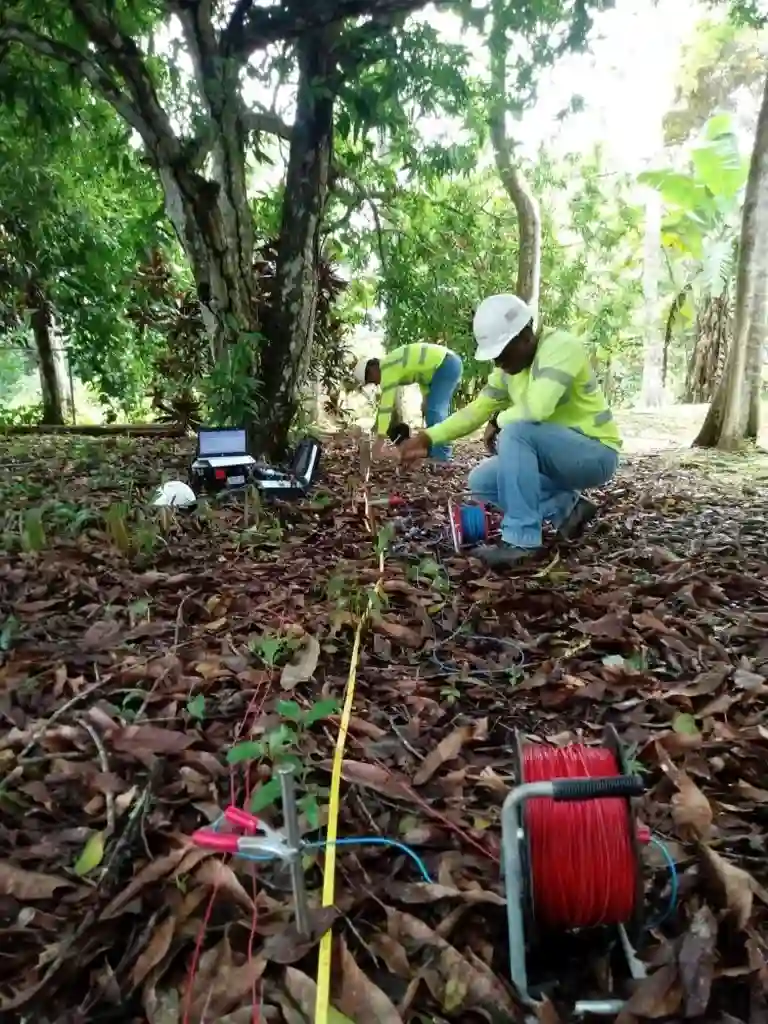
Seismic engineering is a critical category of geotechnical services that addresses the behavior of soil and structures during earthquakes. In Anaheim, a city situated in Southern California's seismically active region, this category encompasses specialized analyses and design solutions to mitigate earthquake risks. From evaluating ground shaking potential to implementing advanced isolation systems, seismic services ensure the safety and resilience of buildings, infrastructure, and communities. Given Anaheim's proximity to major fault systems like the San Andreas and San Jacinto faults, understanding and managing seismic hazards is not just a regulatory requirement but a fundamental responsibility for developers, engineers, and property owners.
Anaheim's local geology significantly influences seismic risk. The city lies atop deep alluvial deposits from the Santa Ana River, consisting of loose sands, silts, and clays that can amplify ground motion during an earthquake. This soil profile makes the area prone to phenomena such as liquefaction and site amplification, where soft soils intensify shaking. A thorough site response analysis is essential to characterize these local soil conditions and predict how they will affect ground surface motion. Without this analysis, structures may be designed with inadequate resistance to the actual shaking they could experience, leading to potential failure.
Applicable regulations in the United States, particularly the California Building Code (CBC) based on the International Building Code (IBC) and ASCE 7 standards, mandate seismic design considerations for nearly all construction projects. These codes require site-specific seismic hazard assessments, including soil classification and response spectra development. For critical facilities like hospitals, schools, and emergency response centers, stricter performance objectives apply. In Anaheim, local amendments may further refine these requirements, emphasizing the need for professional seismic evaluations that align with both state and municipal codes.
Seismic services are vital for a wide range of project types in Anaheim. New commercial buildings, residential complexes, and high-rise structures all require foundational seismic design to withstand expected ground motions. Retrofitting existing structures, especially older buildings not designed to modern codes, is another common application. Additionally, infrastructure projects such as bridges, dams, and underground utilities benefit from base isolation seismic design, which decouples the structure from ground movement to reduce transmitted forces. Land development projects in areas with soft soils or high liquefaction potential also rely on these services to ensure long-term stability.
The primary goal is to evaluate earthquake hazards specific to Anaheim's geology and design structures that can resist ground shaking without collapse. This includes analyzing soil behavior, predicting ground motion, and implementing mitigation measures to protect life and property during seismic events.
Anaheim's deep alluvial soils can amplify seismic waves, increasing shaking intensity. Loose sands and silts also pose liquefaction risks. Seismic design must account for these site-specific conditions through detailed analyses to ensure structures are built to withstand expected ground motions.
Seismic design in Anaheim follows the California Building Code (CBC), which adopts the International Building Code (IBC) and ASCE 7 standards. These codes require site-specific hazard assessments, soil classification, and adherence to performance objectives for different occupancy types.
Projects requiring seismic services include new commercial and residential buildings, high-rise structures, retrofits of older buildings, and critical infrastructure like hospitals and bridges. Developments on soft or liquefiable soils also need seismic evaluations to ensure long-term stability.