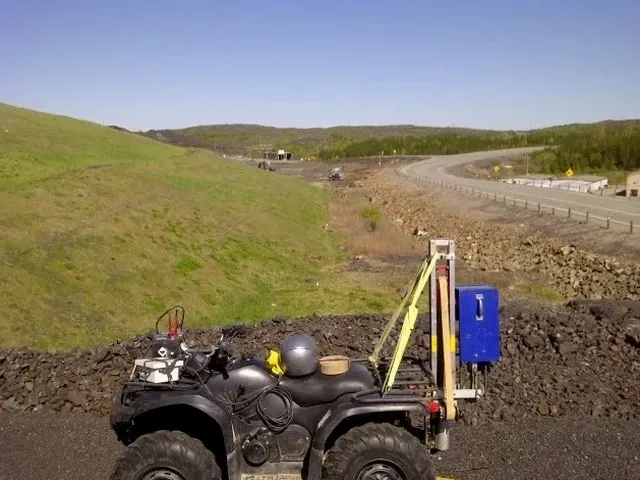
Geophysics in Anaheim, USA, encompasses non-invasive techniques to investigate subsurface conditions, playing a critical role in infrastructure resilience and seismic safety. This category includes methods such as MASW / VS30 (shear wave velocity), HVSR microtremor survey (Nakamura method), electrical resistivity, and seismic tomography, which provide essential data for engineering and environmental projects. In a city known for its tourism and urban development, geophysical surveys help mitigate risks from ground instability and seismic activity, ensuring safe construction and land use.
Anaheim sits within the Los Angeles Basin, underlain by Quaternary alluvial deposits and older sedimentary formations from the Puente and Capistrano formations. These materials vary from loose sands and gravels near the Santa Ana River to more consolidated siltstones and sandstones further inland. The region is also crossed by active fault systems, including the Whittier and Elsinore faults, which influence local seismic hazard. Understanding this geology is vital for evaluating liquefaction potential, soil amplification, and bedrock depth, all of which are key to geophysical investigations.
Applicable local regulations include the California Building Standards Code (Title 24), which mandates site-specific seismic hazard analyses for new developments in Seismic Design Categories D, E, or F. The California Geological Survey (CGS) also provides guidelines for fault-rupture hazard zones and seismic hazard mapping. Geophysical methods like Electrical resistivity / VES (Vertical Electrical Sounding) and Seismic tomography (refraction/reflection) are commonly used to comply with these standards, particularly for projects near fault lines or in areas with soft soils.
Projects requiring geophysical surveys in Anaheim include residential and commercial developments, transportation infrastructure (e.g., bridges, tunnels), and utility installations. Environmental assessments for groundwater contamination, landfill characterization, and earthquake damage investigations also rely on these techniques. For instance, MASW surveys are crucial for measuring Vs30 to classify site conditions per the National Earthquake Hazards Reduction Program (NEHRP), while HVSR surveys provide cost-effective resonance frequency data for tall structures like hotels or stadiums.
The most common methods include MASW (shear wave velocity), HVSR microtremor surveys, electrical resistivity / VES, and seismic tomography. These are chosen based on site conditions, depth of investigation, and project goals, such as seismic hazard assessment or groundwater exploration.
Anaheim's alluvial deposits and proximity to fault zones can cause complex velocity structures and variable resistivity. Loose soils amplify seismic waves, while bedrock depth influences resonance. Surveys must account for these heterogeneities to ensure accurate data interpretation and compliance with seismic codes.
Yes, for projects in high seismic zones, the California Building Code (Title 24) often mandates site-specific seismic hazard analyses. Geophysical methods like MASW and HVSR provide necessary data for soil classification (NEHRP) and fault evaluation, as specified by local building departments and the California Geological Survey.
Depth ranges vary: MASW typically reaches 30 to 100 feet for Vs30 measurements, while HVSR surveys investigate deeper bedrock interfaces up to several hundred feet. Electrical resistivity and seismic tomography can extend from shallow (10 feet) to deep (500+ feet) depending on array spacing and project requirements.